The Asgard Protocol
How it works, in order.
How InTouch protects a conversation, from checking participants to managing access. A plain-language overview of the experience.
Step 01
Proving it is you
Before anything else your phone makes two identities for you and keeps both. When somebody checks that a message really came from you, they check both of them. Breaking one is not enough.
Step 02
Agreeing on a secret
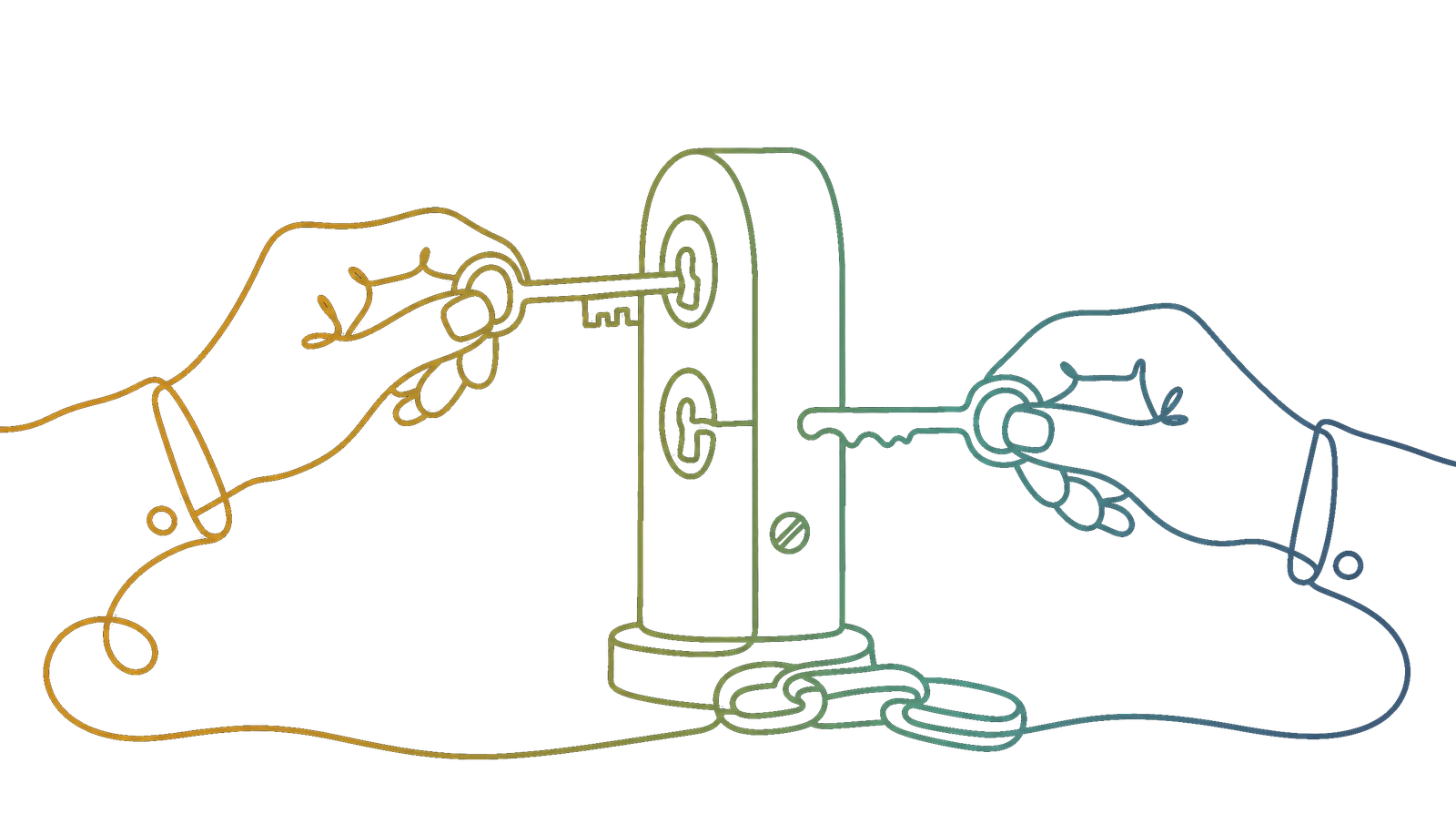
Two phones that have never met need to agree on a secret without ever saying it out loud. They do it twice over, using two unrelated pieces of mathematics, and mix the two results together. If one of them turns out to be breakable, the secret still holds.
Step 03
A new lock for every message
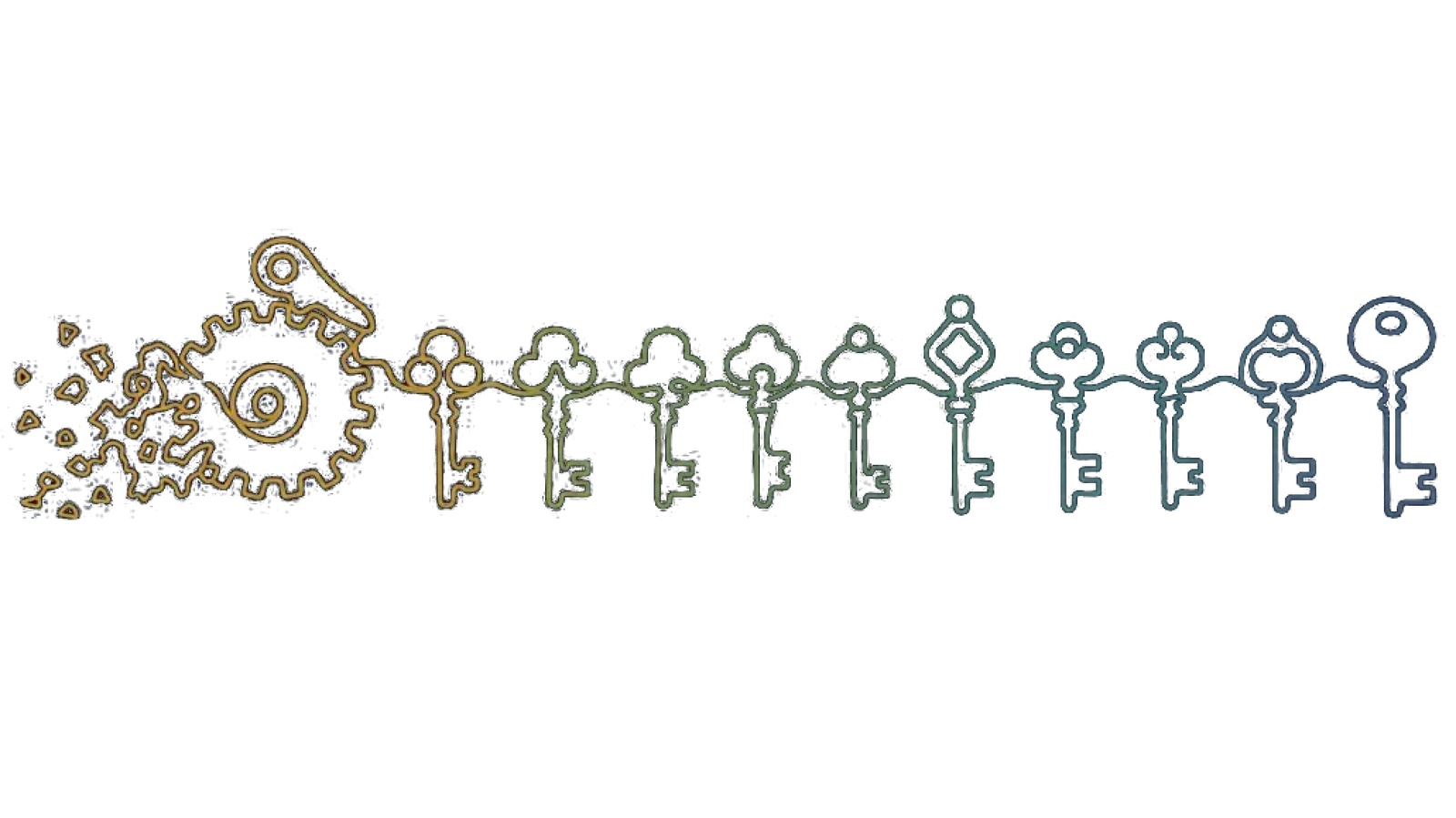
The ratchet derives new message keys and deletes old key material as it advances. This limits exposure of past ciphertext; it does not erase messages already stored on a device.
Step 04
When somebody leaves
When a member leaves, the remaining members advance the group keys without them. This protects later messages under the updated state, but cannot revoke content already received.
Spaces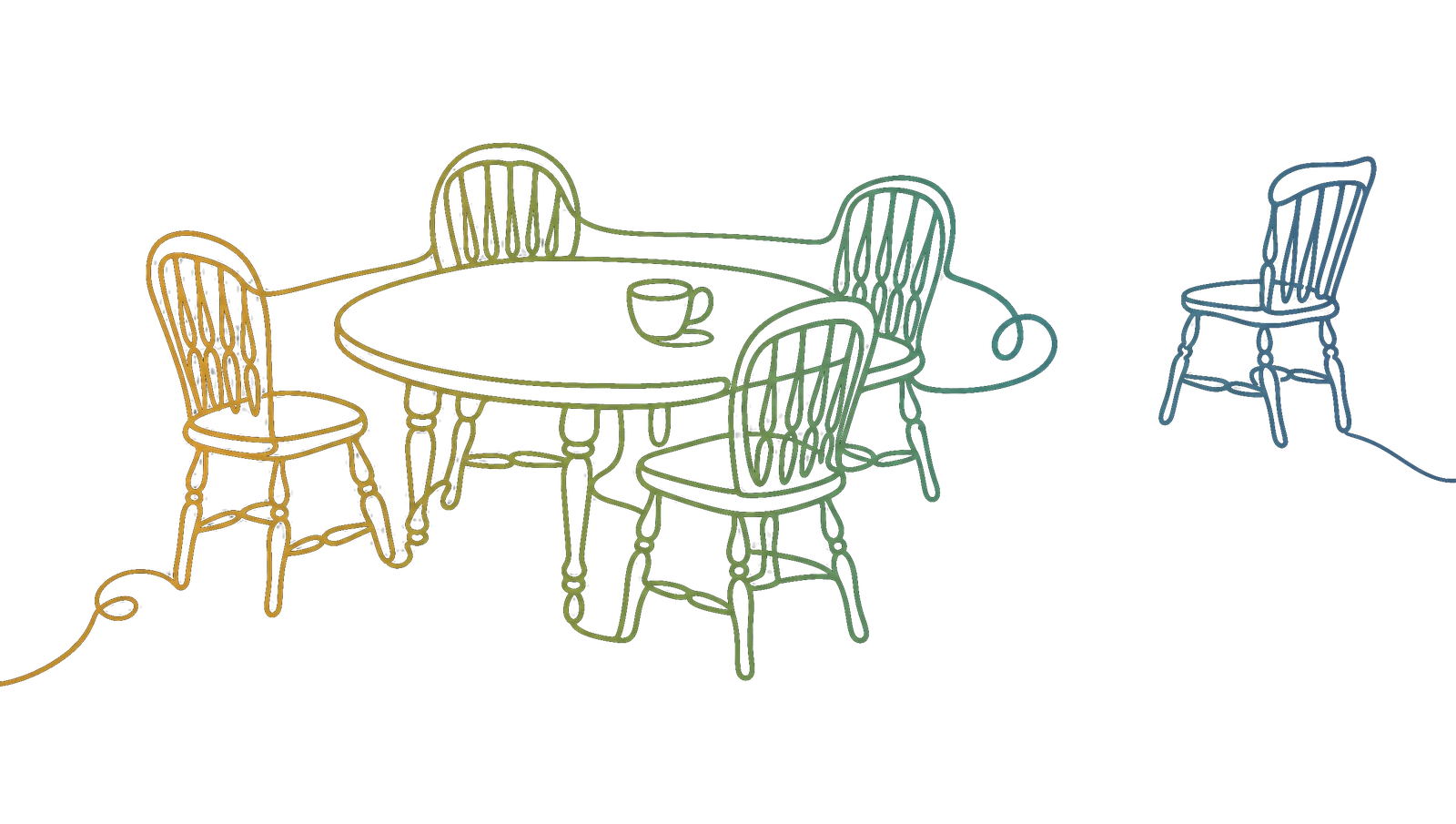
Step 05
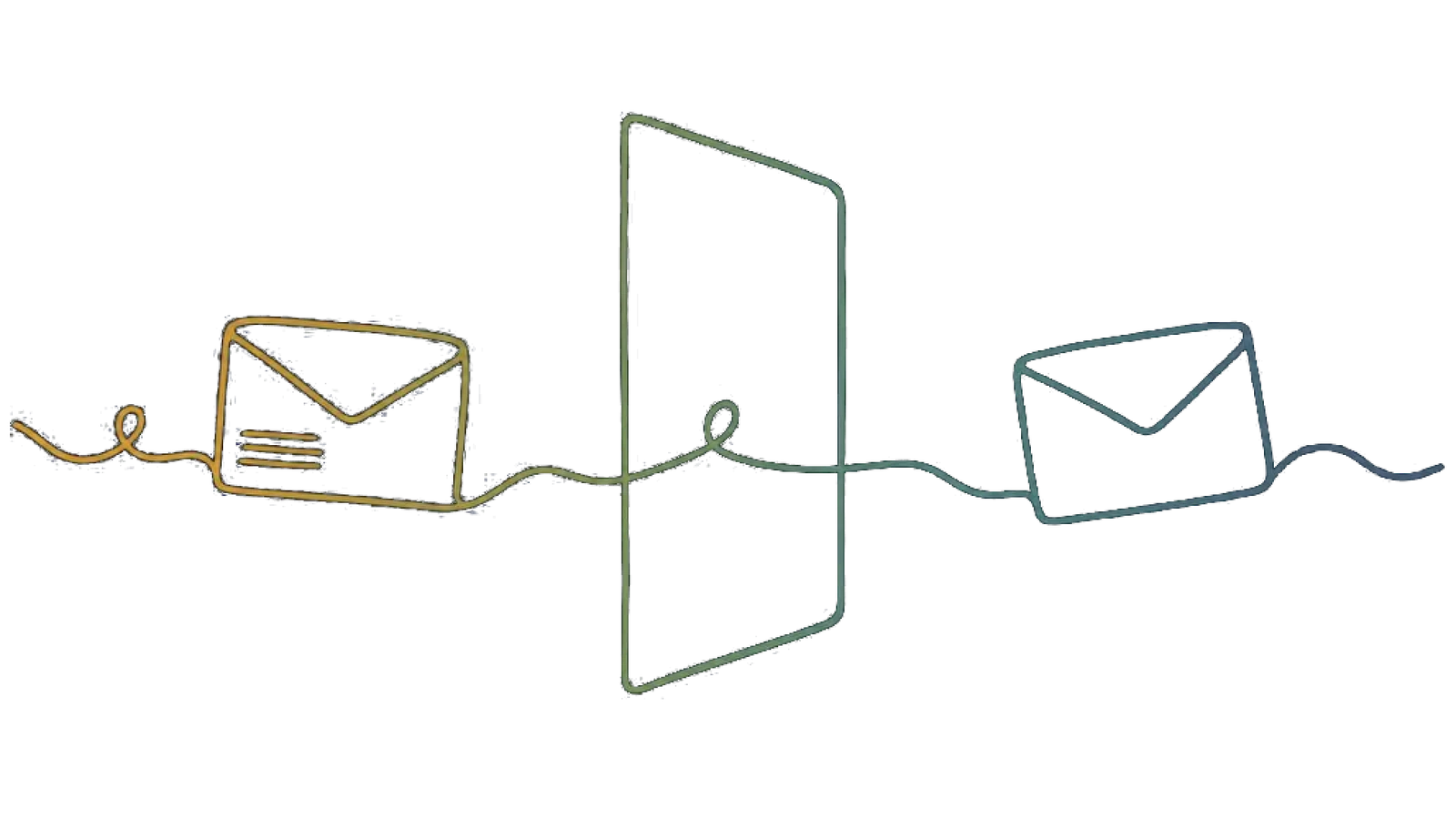
Reducing delivery metadata
Sealed sender reduces sender information exposed in a delivery envelope. It does not make the service anonymous: routing, timing and traffic volume remain, and the relay knows Space membership and who posts.
Step 06
How you would catch us
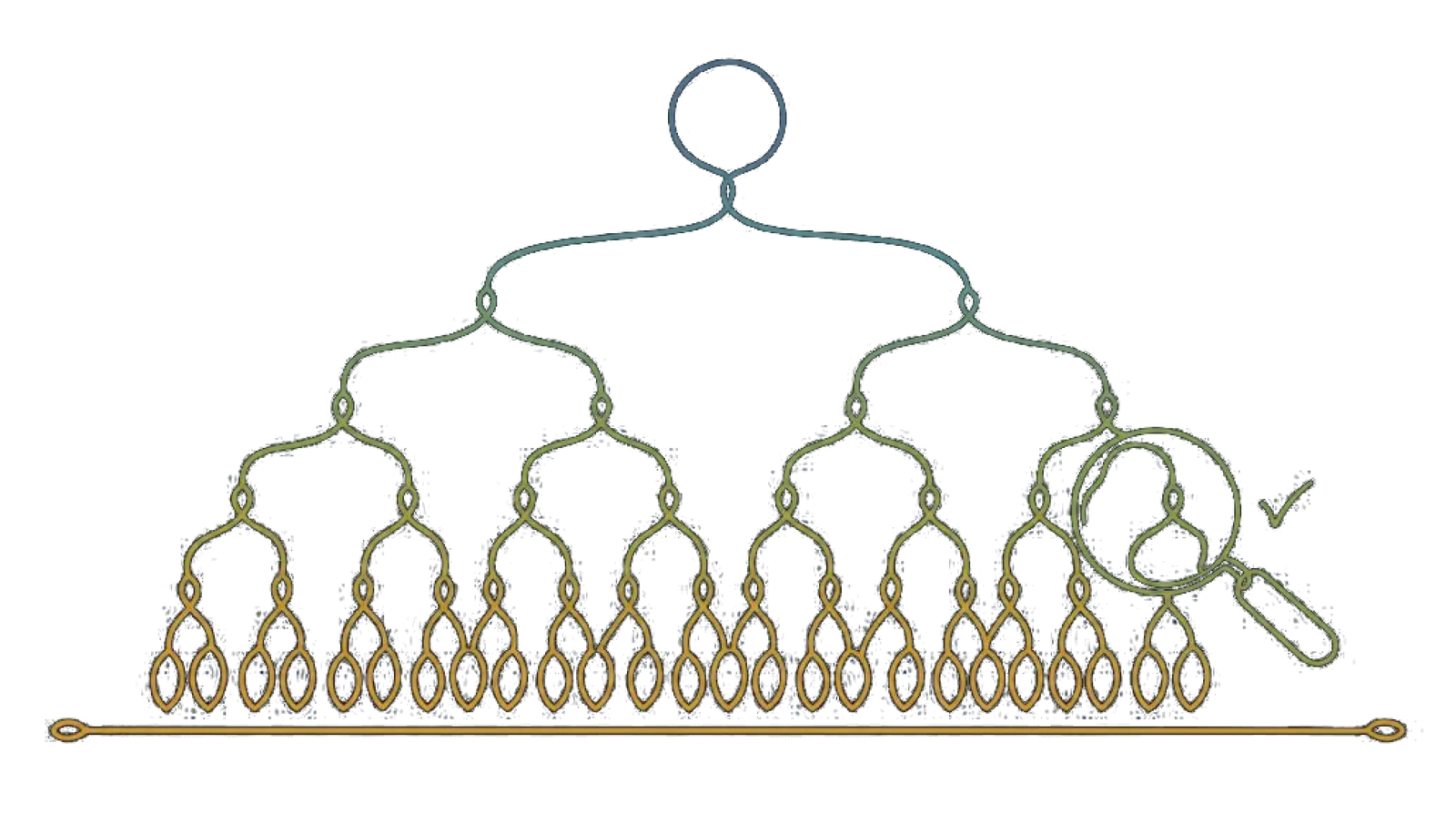
If we ever handed you the wrong key, you would need some way of noticing. Every key we publish goes into a log that can only be added to, and your phone checks that the key it was given really is in there before it sends anything.
What this does not protect
The relay cannot read protected content, but metadata remains. Agent operators and connected model providers can process what an agent receives. Encryption does not protect an unlocked or compromised endpoint or erase copies already received. Check the Security page for build requirements and release availability.
The whole thing, written down.
Read the protocol summary and implementation notes. Public source publication and a completed independent audit are still pending.